Why a Browser Extension Wallet Still Makes Sense — and How to Pick One
Whoa, this space moves fast. I kept losing track of which extension did what. At first glance every wallet looks similar, but something felt off about the UI patterns and permission requests. Initially I thought all extensions were about convenience only, but then realized that security, UX, and chain support actually matter a great deal when you trade or interact with DeFi. So yeah, there’s nuance here, and I’m biased toward tools that respect both privacy and composability.
Seriously? This is the part that surprises people. Most wallets promise « one click swaps » and seamless bridging, yet they ask for broad permissions. My instinct said « pause » more than once. On one hand, convenience boosts adoption; on the other hand, those same conveniences can expose you if you aren’t careful. Actually, wait—let me rephrase that: convenience without clear guardrails often hides risk, especially when dApps change or when you connect to unfamiliar networks.
Wow, here’s the rub. I used a half dozen extensions during the past year, some in the Bay Area, some while visiting friends in New York. My experience wasn’t perfect. A few extensions were clunky and leaked metadata, and one had a confusing nonce replay issue that made me very very angry. That taught me to look for extensions with transparent permission flows and transaction previews that actually show gas and calldata details, not just a tiny summary line that means nothing to most people.
Hmm… something else, too. Wallet design matters beyond the splash screen. If you plan to interact with complex DeFi positions, you need a wallet that surfaces approvals, shows token allowances clearly, and lets you batch or revoke approvals without jumping through hoops. At first I thought visual polish was the trade-off for safety, but I learned otherwise when a simpler UI prevented a mistaken multisig approval. Okay, so check this out—there are wallets purpose-built to expose the plumbing, not hide it.
Here’s what bugs me about most extension wallets. They bury the actual contract data behind jargon. Also, many treat all chains as equals, despite huge UX differences when signing on L2s or rollups. I’m not 100% sure why teams keep doing this, though I suspect it’s product-market pressures and deadlines. From a user perspective, though, clarity trumps flash—every time.
Putting those lessons into practice — a pragmatic checklist
Whoa, short checklist incoming. First, prefer wallets that show calldata and gas before approval. Second, choose wallets that isolate the origin of requests, so you can see which tab initiated the transaction. Third, use features like allowance management, which some extensions now include natively and which are very very useful. Finally, look for sensible defaults: no blanket « always allow » buttons, and confirm dialogs that require explicit scrutiny.
Seriously, you should test with small amounts first. I learned that the hard way after assuming a demo transaction was harmless. My gut feeling said « start small » is better than « trust the UI. » On the flip side, don’t get paralyzed—small, repeatable tests help you build muscle memory for secure interactions. And if a wallet offers a simulation step that decodes a transaction, that’s a big plus because it reduces guesswork and surprises.
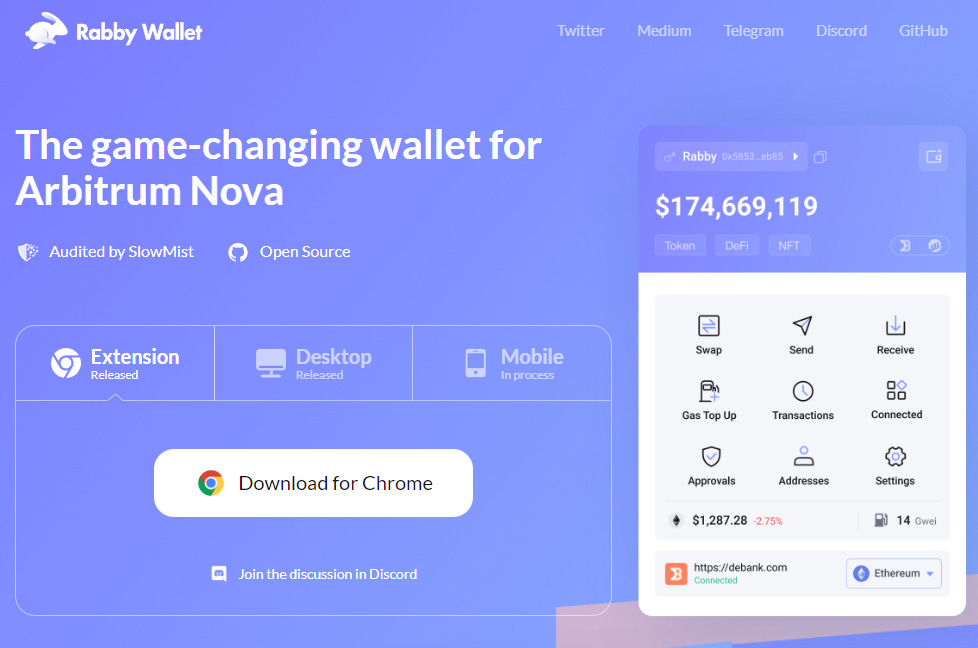
I’ll be honest, I have a favorite and recommend trying it if you want a modern, developer-friendly extension. The rabby wallet stood out for me because it balances advanced features with a careful permission model. It surfaces approvals clearly, supports multiple EVM chains and rollups, and gives you a straightforward way to revoke allowances without digging through Etherscan. That said, no tool is perfect, and you should still practice safe habits.
Initially I thought a single « best » wallet existed, but then realized different workflows demand different tools. For traders who use swaps and limit orders frequently, speed and swap routing matter. For builders or power users, granular transaction details and a reliable RPC management system matter more. On the other hand, casual users mainly care about simple onboarding and good defaults, though I think they should still learn about approvals sooner rather than later.
Wow, the community matters too. Wallet teams that publish security audits, engage with users, and iterate fast tend to earn my trust. I follow a few GitHub repos and Discord channels to watch how teams respond to bugs and feature requests. Spending five minutes on that signal can save you big headaches later. Also, backups: seed phrases are offline gold, so treat them accordingly and use hardware wallets when you hold significant funds.
Here’s a small advanced tip. Use account separation where possible: one account for yield farming and another for day-to-day swaps. That way approvals and approvals creep stay contained. Yes, it’s extra effort, and yes, somethin’ might feel cumbersome at first, but the payoff is less exposure if a dApp or site misbehaves. Honestly, this habit reduced my stress during a recent protocol upgrade where approvals were being requested en masse.
On the technical side, watch for extension permissions in your browser. Sites sometimes request broad access which shouldn’t be necessary for simple reads. If an extension exposes a permission that allows unrestricted signing or wide host access, pause and interrogate it. It’s tempting to click through because you want to trade, but those seconds are when mistakes happen. So train a small routine: check the origin, verify the gas, and confirm calldata meaning.
Common questions people actually ask
Is a browser extension wallet safe for DeFi?
Short answer: yes, if you use best practices. Keep browser and extension updated, use separate accounts for risky activity, test with small amounts, and consider pairing with a hardware wallet for large holdings. Also audit permission prompts before approving anything, and use allowance revocation tools periodically.
How do I install a trustworthy extension?
Find the official distribution channel, verify signatures if available, read the install permissions, and avoid third-party rehosts. For convenience, follow the official guidance from the wallet team and cross-check with community discussions, but do not blindly install unknown builds or side-load extensions from sketchy sources.